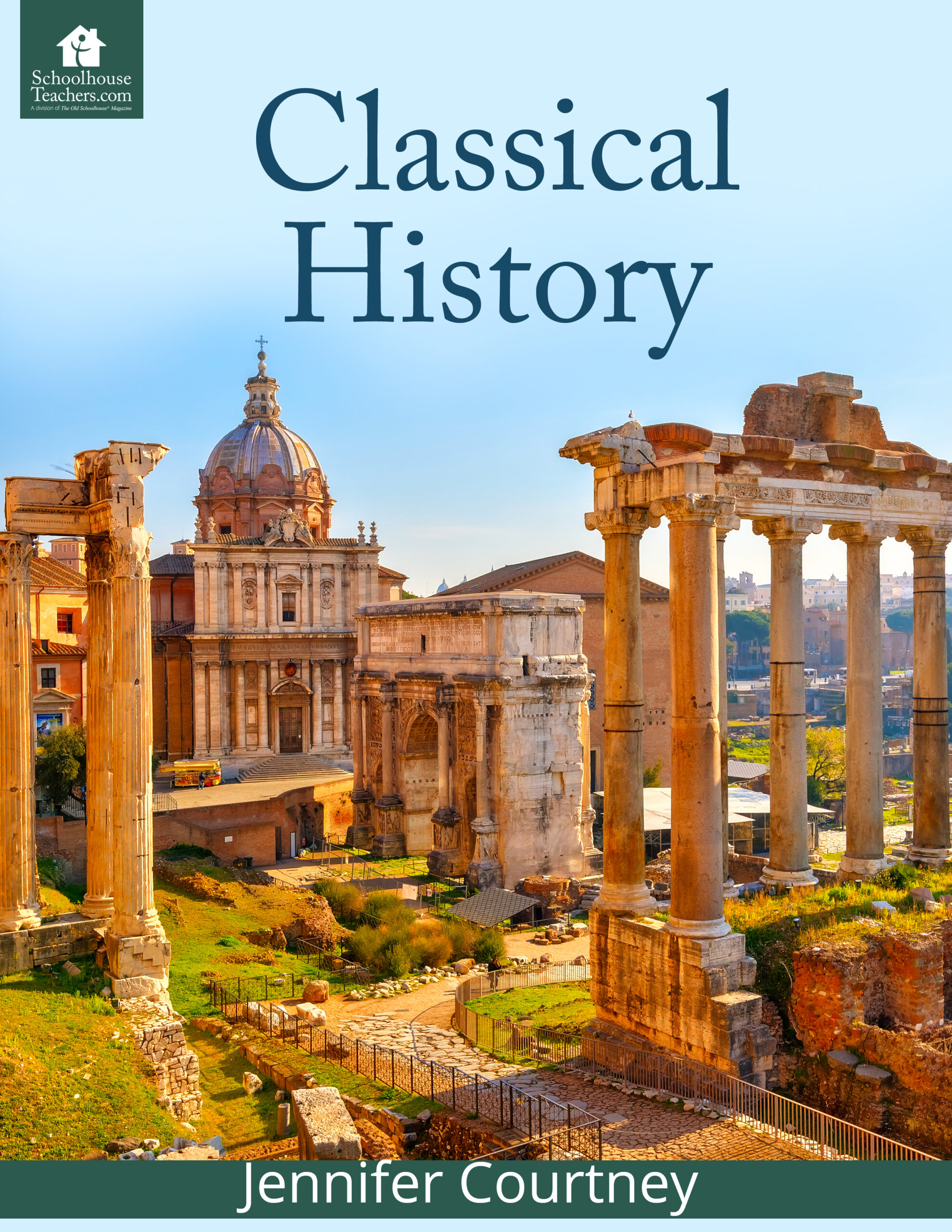
Classical History

Jennifer Courtney

This course will supply you with weekly lessons to help you explore ancient history from the first recorded civilizations through the fall of Rome. There will be suggested readings for children of all ages including high school students.

Classical History MayHi, I am Jennifer Courtney, and I will guide you through these lessons. I’ve been home educating my four children since 2004. I’m the coauthor of the Classical Acts and Facts History cards series.  I have a passion for teaching world history to students of all ages, particularly as these studies help to illuminate the study of Scripture and the Church.

Why study ancient civilizations?

An understanding of ancient civilizations can illuminate your child’s understanding of the people groups mentioned in the Bible. In the Old Testament, the Israelites conquer and are conquered by their nearest neighbors including the Hittites, Canaanites, Assyrians, and Babylonians. Their worship of the one, true God continually produces conflicts with these polytheistic people groups.

Polytheism is a compound word with Greek roots—poly meaning “ many” and theos meaning “gods.” Knowing this can enrich your child’s understanding of how God reveals Himself to Abraham as the one true God. It helps them understand the importance of the commandment which says, “Thou shalt have no other gods before me.” Familiarity with the Egyptian gods and goddesses helps to illuminate the Plagues in Egypt which were sent to combat the many gods of ancient Egypt.

To supplement your studies of the New Testament, it helps to understand the primary civilizations of the time—Greece and Rome. For example, a study of Paul’s missionary journeys comes to life if children are familiar with the Greek gods that Paul argued against as he brought the Good News.

Join me on a journey that will span over three thousand years!

Go to this month’s lessons

Classical-History-May-2_1 Fall of Rome

Oct. 1—Age of Ancient Empires

Oct. 8—Egyptians

Oct. 15—Hittites

Oct.22—Canaanites

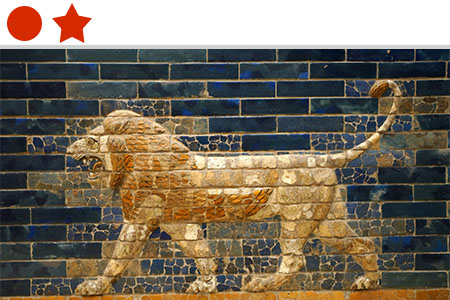
Oct. 29—Assyrians

Nov. 5—Babylonians

Nov. 12—The Exodus

—Break (Thanksgiving Week, Nov. 19)—

Nov. 26—The Conquests

Dec. 3—Israel’s United Kingdom

Dec. 10—Israel Divides Into Two Kingdoms

Dec. 17—Founding of Rome

2013

January

Israel Falls to Assyria

Assyria Falls to Babylon

Judah Falls to Babylon

Babylon Falls to Persia

February:

Jews Rebuild the Temple

Golden Age of Greece

Persia Falls to Alexander the Great

Caesar Augustus and the Pax Romana

March:

Paul’s Missionary Journeys and the Greeks

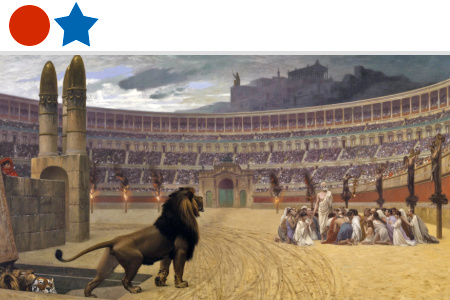
Persecution Spreads the Gospel

Herod’s Temple Destroyed by Titus

Diocletian Divides the Roman Empire

April:

Constantine Legalizes Christianity

Council of Nicea

St. Jerome Completes the Vulgate

Augustine of Hippo

May:

Council of Chalcedon (May 1-11)

The Fall of Rome (May 13-31)

Download Classical History Course Outline

Go to this month’s lessons

Do you have a classical history question for Jennifer? Try our new Ask a Question page.

Go to the Classical History Lesson Archives

Jennifer Courtney currently serves as the Director of Training and Development for Classical Conversations.  She is the co-author of the Classical Acts and Facts History Cards series and of the book Classical, Christian Education Made Approachable.  Jennifer writes for the Classical Conversations Writer’s Circle as well as a variety of homeschool and other education websites and magazines. In addition to home educating her own children, she tutors high school students once a week in Latin, Shakespeare, poetry, US History, philosophy, logic, and Chemistry.  She and her husband Tim live in Oklahoma where they home educate their four children.